Column · @augusttjov224
How Residential Drain Cleaning Tacoma Supports Cleaner and Healthier Living
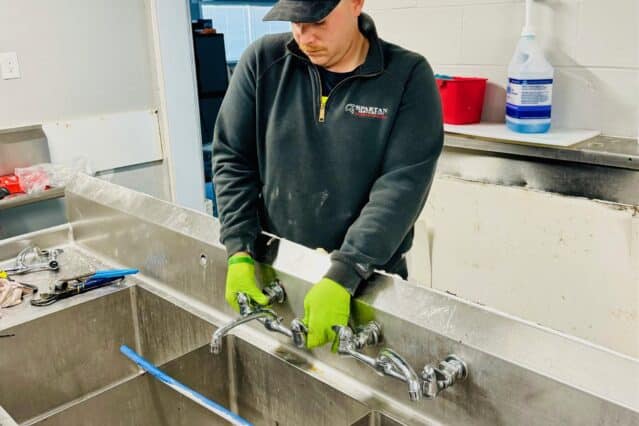
A home can look spotless on the surface and still have a plumbing system quietly working against comfort, cleanliness, and health. Drains sit out of sight, which is exactly why they get ignored until the signs become impossible to miss. A slow kitchen sink, a shower that leaves water pooling at your feet, a musty smell near the laundry room, or a toilet that gurgles for no obvious reason often points to buildup inside the lines. Left alone, that buildup does more than create an inconvenience. It changes how a home feels, how it smells, and in some cases how safe it is to live in.
That is where Residential Drain Cleaning Tacoma becomes more than a maintenance service. It becomes part of keeping a household sanitary, functional, and easier to manage day to day. In a region where moisture already shapes how homes age and perform, drainage problems can escalate faster than many homeowners expect. The connection between clean drains and healthy living is practical, immediate, and easy to underestimate until the first backup happens at the worst possible time.
The hidden role drains play in indoor cleanliness
Most people think about drains only when water stops moving. In reality, drain lines influence the daily cleanliness of a home every time someone washes dishes, takes a shower, runs the washing machine, or flushes a toilet. Those pipes carry away soap residue, grease, food particles, hair, lint, and waste. When the flow remains strong, all of that material exits the home quickly and with little notice. When the flow slows, the same material starts collecting in the system, coating pipe walls and creating the conditions for odor, bacteria, and blockages.
A partially clogged drain usually does not fail all at once. It starts as a narrowing. Grease cools and hardens in a kitchen line. Hair wraps around soap scum in a bathroom drain. Detergent residue and lint settle in laundry piping. The problem grows layer by layer. By the time a homeowner notices standing water, the pipe may already be holding months of buildup.
This matters because dirty drain lines tend to produce recurring messes. Sinks become harder to rinse clean. Tubs hold gray water longer than they should. Moisture stays where it is not wanted. In severe cases, wastewater can back up into fixtures, introducing contaminants into spaces meant for cooking, bathing, and cleaning. Even when the issue has not reached that stage, a sluggish drain often carries unpleasant odors that make a room feel unclean no matter how often it is scrubbed.
Why Tacoma homes face their own drain challenges
Every city has its quirks when it comes to plumbing, and Tacoma is no exception. Many homes in the area, especially older ones, have a mix of original piping, updated fixtures, and years of wear hidden behind walls or below floors. Some properties deal with mature landscaping, which means tree roots can seek out tiny cracks or joints in underground sewer lines. Others face the cumulative effects of frequent moisture, where damp conditions make mold and mildew more likely when drainage is poor.
A house built decades ago might still have sections of pipe that are more vulnerable to corrosion or scale buildup. Even newer homes are not immune. Modern plumbing performs well, but it can still be overwhelmed by habits that slowly stress the system, such as rinsing fats down the kitchen sink, flushing wipes labeled as disposable, or using heavy bath products that leave residue behind.
In practical terms, Residential Drain Cleaning Tacoma often serves two groups at once. It helps older homes stay reliable despite aging infrastructure, and it helps newer homes avoid developing the same expensive problems over time. Both benefit from treating drain care as routine upkeep rather than a once-every-few-years emergency call.
Clean drains and healthier indoor air
When homeowners think about air quality, they usually picture dust, pollen, or HVAC filters. Drains rarely enter the conversation, but they should. Slow or dirty drains often create odors that spread far beyond the sink or shower where the issue started. Those smells come from decomposing organic matter, trapped grease, stagnant water, or sewer gases escaping through compromised traps or blocked venting.
Anyone who has walked into a kitchen and caught a sour smell near the sink knows how persistent drain odors can be. Bathroom drains can produce a damp, stale scent that clings to towels and makes the whole room feel neglected. In laundry spaces, blocked utility drains can create a heavy, musty smell that suggests moisture has overstayed its welcome.
Poor drainage also contributes indirectly to humidity problems. Water that drains slowly sits longer in tubs, basins, or floor areas. Repeated dampness encourages mildew growth on grout, caulk, trim, and flooring edges. Once mildew takes hold, cleaning becomes more frequent and less effective. The problem no longer lives only in the pipe. It starts affecting the room itself.
For households with children, older adults, or people with respiratory sensitivities, these conditions are more than unpleasant. They can make indoor environments harder to tolerate. Keeping drains clean does not solve every air quality issue in a home, but it removes one common source of odors and moisture that too often goes unchecked.
The sanitation side of proper drainage
Drain problems are not just mechanical. They are sanitary. A drain line that carries wastewater poorly is a line that may eventually return that wastewater where it does not belong. That can mean a kitchen sink backing up with cloudy water during dishwashing, a shower pan filling with used water from Residential Drain Cleaning Tacoma spartanplumbinginc.com another fixture, or a basement drain overflowing during heavy use.
Those scenarios are not rare in overburdened systems. They are also difficult to clean up completely. Even a minor backup can spread bacteria onto floors, cabinets, rugs, or baseboards. Homeowners often focus first on removing visible water, but the larger issue is what that water carried with it. If porous materials absorb contaminated moisture, odors and microbial growth may linger even after the area appears dry.
Routine drain cleaning reduces the chance of those events by removing the internal buildup that restricts flow. In homes with known trouble spots, such as a kitchen line that clogs every holiday season or a downstairs shower that drains slowly whenever laundry is running, proactive service can prevent a messy and expensive sanitation problem later.
What professional drain cleaning actually addresses
There is a big difference between easing a symptom and cleaning a drain line properly. Store-bought drain cleaners may punch a narrow channel through soft buildup, but they rarely remove the full mass clinging to the pipe walls. Some chemical products can also be harsh on older plumbing or create safety concerns when used repeatedly.
Professional service is usually less dramatic than people imagine and more methodical. The goal is not just to make water disappear faster for the next week. It is to identify where the restriction is, what kind of material is causing it, and how best to clear it without damaging the system.
Depending on the condition of the drain, a technician may use cable machines to break through obstructions, or hydro jetting equipment to scour interior pipe surfaces with pressurized water. In some cases, a camera inspection helps confirm whether the issue is grease, roots, collapsed piping, or a recurring pattern caused by the layout of the line itself. That kind of judgment matters. A kitchen branch line packed with grease needs a different approach than an outdoor sewer line infiltrated by roots.
A homeowner once described their drain issue as "just a slow sink" because water eventually went down. What the inspection showed was a kitchen line narrowed so heavily with grease that the pipe opening looked closer to the width of a coin than a full drain channel. The sink had adapted slowly enough that the family had stopped noticing. Once the line was cleaned properly, they not only got normal drainage back, they also lost a sour odor they had assumed came from the garbage disposal. That is common. People get used to bad drain performance more often than they realize.
Warning signs worth taking seriously
A full blockage is obvious. The earlier signs are easier to dismiss, which is why they deserve attention.
- Water drains slowly in one or more fixtures.
- Gurgling sounds come from sinks, tubs, or toilets.
- Odors rise from drains even after the room is cleaned.
- Water backs up in a second fixture when another is used.
- Fruit flies or drain flies keep appearing near sinks.
These symptoms do not always mean the same problem, but they all suggest the drainage system is not moving waste as cleanly as it should. When several signs show up together, the odds of a deeper issue increase.
Everyday habits that shape drain health
Most residential drain problems build from ordinary routines rather than one dramatic mistake. The kitchen is often the biggest offender. Grease may go down warm and liquid, but it cools inside the pipe and traps food debris around it. Coffee grounds, eggshell fragments, and starchy scraps add to the mass. Even homes with garbage disposals can develop clogs if the disposal is treated like a catch-all.
Bathrooms create a different kind of buildup. Hair combines with soap, toothpaste, shaving cream, and skin oils to form dense tangles that catch more debris over time. In homes where several people share one bathroom, that accumulation can happen faster than expected. Add hard water residue to the mix and the inside of a drain can narrow steadily without any one event standing out.
Laundry rooms contribute their share too. Lint escapes filters, detergent can leave residue, and utility sinks often become a convenient place to dump mop water or cleaning solutions that carry particles into the line. None of these habits seems severe in isolation. Over months and years, they create the service calls plumbers see every week.
There is also a behavioral side to recurring clogs. Many homeowners respond to early symptoms with temporary fixes that delay a proper cleaning. They plunge the sink, pour in a bottle of chemical cleaner, then move on. That can buy time, but if the root problem stays in place, the clog usually returns with more force. By then, the line may be harder to restore and the cleanup more involved.
Why prevention is usually cheaper than repair
Drain cleaning tends to sound optional until compared with the cost of emergency plumbing work. A scheduled cleaning is controlled, planned, and often straightforward. An emergency backup at night or over a holiday weekend is none of those things. Add possible water damage, flooring replacement, drywall repair, odor treatment, or mold remediation, and the economics shift quickly.
This is especially true for households that entertain often, have large families, or use every bathroom daily. More usage means more wear on the drainage system. The lines are simply asked to do more. Preventive cleaning in those homes is less a luxury than a sensible operating habit.
There is also value in preserving the life of the plumbing itself. Buildup can accelerate corrosion in certain materials and put pressure on joints or weak points in the system. Clearing drains before they become chronically overburdened helps the entire network work under more normal conditions. Homeowners may not see that savings immediately, but they often feel it when they avoid repeated service calls for the same fixture.
Choosing the right moment to schedule service
Not every home needs the same drain cleaning schedule. A small household in a newer home may go longer between appointments than a busy family in an older house with mature trees. The best timing depends on the age of the plumbing, what has clogged before, and how heavily the system is used.
A practical approach is to pay attention to patterns. If the kitchen sink slows every fall after heavy cooking starts, that is not random. If the downstairs bathroom acts up whenever guests stay over, that is not a mystery either. Those are cues that the line is reaching its limit under normal household conditions.
For many homes, professional attention makes sense in a few specific situations:
- After recurring slow drains return despite basic maintenance
- Before hosting periods with heavy kitchen or bathroom use
- When buying an older home with an uncertain plumbing history
- After tree root issues or previous sewer line backups
- When odors persist without another clear cause
Handled at the right time, drain cleaning feels preventive rather than disruptive. It becomes part of maintaining a healthy home, much like servicing heating equipment or cleaning gutters before the rainy season.
The difference between a clean drain and a symptom-free drain
This distinction matters. A drain can appear to work while still carrying a thick layer of residue inside. That residue may not stop water today, but it narrows the pipe, traps odor-causing material, and makes the next clog come faster. Homeowners often assume the problem is solved when standing water disappears. In the field, that is often only partial progress.
A truly cleaned drain has restored flow and reduced buildup along the pipe walls, not just an opening poked through the center. The difference shows up in how long the fix lasts. Symptom relief may buy a few days or weeks. Proper cleaning changes performance over months and, in some cases, much longer.
This is one reason Residential Drain Cleaning Tacoma is so valuable in health terms, not just mechanical terms. Cleaner pipes mean less decomposing material sitting in the home’s drainage system, fewer smells rising back through fixtures, and less chance that wastewater will reappear where it should never be.
A cleaner home often starts below the surface
Homeowners naturally focus on visible surfaces. Counters, floors, tile, toilets, and tubs all get attention because they are right in front of us. Yet many of the conditions that make a house feel dirty start where no one looks. Hidden plumbing can shape smell, moisture, sanitation, and even stress levels in ways that become part of daily life.
When drains work as they should, the whole home feels easier to keep clean. Sinks rinse properly. Showers clear quickly. Laundry areas stay fresher. Bathrooms smell cleaner without needing heavy fragrances to mask something underneath. The change is subtle until it is not. People notice when a room no longer carries that faint sour odor they had stopped mentioning. They notice when a tub empties normally again. They notice when they are not wondering whether a weekend dinner party might trigger another backup.
That is the real value of professional drain care. It supports the parts of healthy living that are easy to take for granted, reliable sanitation, fresher indoor spaces, lower moisture risk, and less exposure to the mess and contamination that clogged drains can create. For Tacoma homeowners, where weather, aging infrastructure, and daily use all put pressure on plumbing systems, keeping drains clean is not just a maintenance checkbox. It is a practical investment in a cleaner, healthier place to live.
Spartan Plumbing Services
Address: 760 107th St S, Tacoma, WA 98444
Phone number: +12534998773
FAQ About Residential Drain Cleaning Tacoma
How much does it cost to have someone clean your drains?
Professional drain cleaning costs between $147 and $352 on average, with most homeowners paying around $246. The final price is heavily determined by the type of drain affected, the clearing method needed, and your geographic location.
How much does it cost to clean a drain line?
Professional drain cleaning costs between $147 and $352 on average, with most standard residential jobs landing right around $246. However, your final bill can scale from $100 to over $800 depending entirely on which drain is clogged and the method required to clear it.
Is professional drain cleaning worth it?
Yes, professional drain cleaning is worth it because it clears deep buildup and prevents expensive plumbing emergencies.